Educational Guide

Improving Everyday Hearing with Affordable OTC Solutions

A complete, honest guide to how over-the-counter hearing aids work, who they help, and how to get the most out of them — without the $5,000 price tag.

Audien Hearing Aids are currently $100 off — Regular Price $289, Today Only $189. Limited-time OTC pricing.

How OTC Hearing Aids Changed Everything

For decades, getting a hearing aid meant scheduling multiple appointments with an audiologist, undergoing formal hearing tests, waiting weeks for custom devices to be manufactured — and then paying anywhere from $2,000 to $7,000 or more out of pocket. For millions of Americans, that price tag put effective hearing healthcare completely out of reach.

In October 2022, the U.S. Food and Drug Administration changed all of that. The experts officially created a new category of over-the-counter (OTC) hearing aids, allowing adults with mild to moderate hearing loss to purchase effective, Audien hearing devices directly — no prescription required, no audiologist visit, no waiting period. You can now buy a quality pair of hearing aids online, have them delivered to your door, and start hearing better within hours of opening the box.

This regulatory shift was the most significant development in hearing healthcare accessibility in a generation. It opened the door to a new generation of affordable, high-quality devices like Audien Hearing Aids — devices that genuinely work, are backed by real technology, and are available at a price point that nearly anyone can afford.

Key Fact: According to the National Institute on Deafness and Other Communication Disorders (NIDCD), approximately 28.8 million U.S. adults could benefit from hearing aids — but only about 30% of those who need them actually use them. The single most cited reason: cost. OTC hearing aids are directly addressing this gap.

This guide is designed to help you understand exactly how OTC hearing aids improve everyday life, what to look for when choosing one, how to get the most from your device once you have it, and what a realistic experience with affordable hearing aids looks like.

28.8M
U.S. adults who could benefit from hearing aids
30%
of those who need hearing aids actually use them
$5,000+
Average cost of prescription hearing aids per pair
$99–$299
Typical cost range for quality OTC hearing aids

What Everyday Situations Do OTC Hearing Aids Actually Improve?

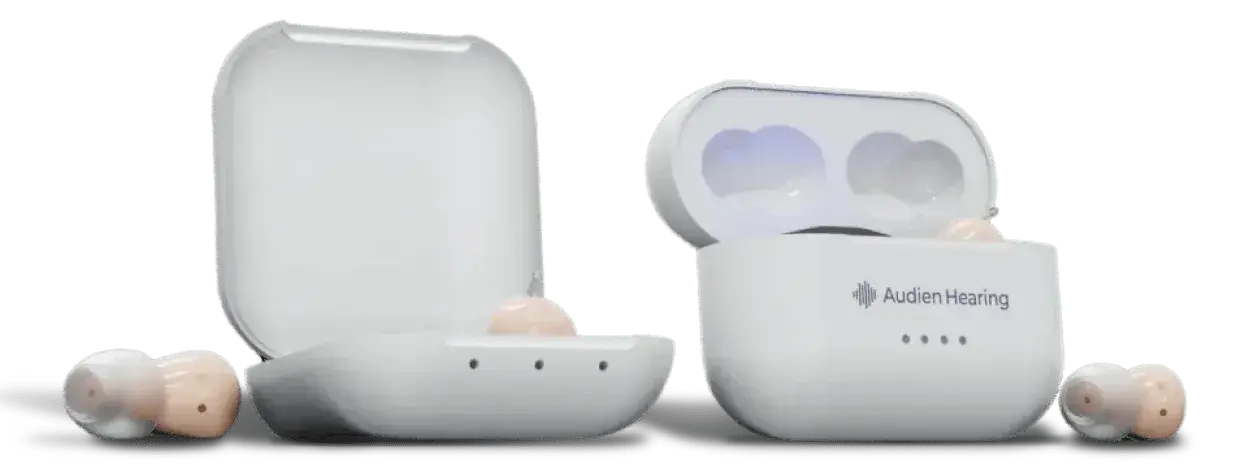
Audien Hearing Aids comfortable behind-the-ear OTC device for daily use

People often wonder whether an affordable OTC hearing aid will genuinely make a difference in their daily life. The answer, for those with mild to moderate hearing loss, is a clear and evidence-backed yes. But it helps to understand specifically what these devices improve — because their benefits are most pronounced in certain types of situations.

One-on-One Conversations

This is where most hearing aid users notice the most dramatic improvement. Whether speaking with a family member across the dinner table, chatting with a coworker, or having a phone conversation, OTC hearing aids like Audien use digital signal processing to sharpen speech clarity and reduce the effort required to follow spoken words. Many users describe feeling like they "entered a different room" — the strain and fatigue of trying to hear disappears.

Television and Media at a Reasonable Volume

One of the most common early signs of hearing loss is gradually increasing the TV volume until family members start complaining. Hearing aids allow users to watch television at a comfortable volume for everyone in the room — a change that has a surprisingly significant effect on household harmony and social inclusion.

Group Conversations and Social Gatherings

Restaurants, family dinners, office meetings, and social events can be exhausting for people with hearing loss. Background noise makes speech increasingly difficult to isolate. Quality OTC hearing aids apply noise reduction algorithms that suppress ambient sounds (cutlery, music, crowd noise) while preserving and amplifying speech frequencies. Users often report being able to re-engage in social situations they had previously been quietly avoiding.

Workplace Communication

Meetings, phone calls, client interactions, and colleague conversations are all affected by hearing loss — often in ways people don't consciously recognise until the problem is addressed. Improved hearing in professional settings can have a meaningful impact on confidence, participation, and performance at work.

Outdoor and Public Environments

Hearing instructions from transit staff, following conversations in busy public spaces, listening to a presenter in an auditorium, or hearing a guide while visiting a new place are all significantly improved by properly fitted hearing aids. For older adults in particular, this translates directly to greater independence and freedom of movement.

Safety Awareness

Perhaps one of the least-discussed but most important benefits: hearing aids improve spatial awareness. Being able to hear approaching vehicles, warning signals, smoke alarms, doorbells, and other environmental audio cues is a genuine safety benefit — particularly for older adults living independently. Research has linked untreated hearing loss to a significantly increased risk of falls and accidents.

🍽️

Family Dinners

Follow conversations clearly without straining. Stop saying "What?" and start participating fully.

📺

TV & Media

Watch at a volume everyone agrees on. Enjoy shows without subtitles for every sentence.

📞

Phone Calls

Understand callers clearly the first time without asking them to repeat themselves.

🏢

Workplace

Engage confidently in meetings and discussions. Reduce cognitive load and communication fatigue.

🌳

Outdoors

Hear traffic, instructions, and environmental audio cues with greater clarity and confidence.

🎭

Events & Venues

Enjoy theater, worship services, and lectures without straining to catch every word.

What to Look for in an Affordable OTC Hearing Aid

Not all OTC hearing aids are equal. Here's exactly what separates a genuinely effective device from a cheap amplifier in a hearing aid wrapper.

Since the OTC hearing aid market opened up in 2022, it has seen rapid growth — which is largely a good thing, but also means a consumer needs to know what they're looking for. There are now dozens of devices on the market at various price points, and quality varies significantly. The following criteria will help you evaluate any OTC hearing aid honestly and choose one that will genuinely improve your hearing.

1. OTC Classification

This is non-negotiable. Your device should clearly state that it is an over-the-counter hearing aid meeting the requirements set out by the OTC hearing aid rule. This classification confirms the device meets minimum performance, labeling, and safety standards established for medical devices. Without this, you may be looking at a PSAP (personal sound amplification product) or an unregulated amplifier — which is an entirely different product category.

2. Digital Signal Processing (DSP)

Analog amplifiers simply make everything louder — background noise, speech, wind, and all other environmental sounds. Digital signal processing allows the device to selectively amplify certain frequencies (primarily the speech range, 1,000–4,000 Hz) while suppressing others. This is what produces the speech clarity that makes hearing aids genuinely useful — not just louder, but clearer. Look for devices that specifically mention DSP or digital processing technology.

3. Noise Reduction Capability

Effective noise reduction is one of the most important features for real-world use. Background noise — air conditioning, traffic, crowd sounds, wind — is the enemy of speech clarity for someone with hearing loss. A quality OTC hearing aid applies algorithms that analyze the sound environment and suppress non-speech audio, making it dramatically easier to follow conversations in noisy settings.

4. Feedback Management

Feedback — the high-pitched whistling sound sometimes associated with hearing aids — is caused by amplified sound escaping and re-entering the microphone. Good OTC devices have active feedback cancellation built in. Without it, feedback can be uncomfortable and disruptive. This feature is often listed as "feedback cancellation" or "anti-feedback system" in product specifications.

5. Comfortable, Secure Fit

A hearing aid you don't wear is worthless. OTC hearing aids typically come with several ear tip sizes to accommodate different ear canals. Behind-the-ear (BTE) designs like Audien Hearing Aids are generally the most comfortable and secure for all-day wear, particularly for first-time users who haven't been fitted by an audiologist. Look for lightweight designs with multiple ear tip options.

6. Rechargeable Battery

Disposable battery hearing aids require you to regularly purchase and change small, fiddly batteries — a particular challenge for older adults with dexterity limitations. Rechargeable OTC hearing aids (like Audien) eliminate this hassle. Look for a minimum of 16–20 hours of battery life per charge, and ideally a charging case that provides additional charges when you're away from a power outlet.

7. A Generous Return Policy

No matter how good a hearing aid looks on paper, you won't know if it's right for you until you've worn it in your daily environments. A minimum 30-day, ideally 45-day return window gives you enough time to realistically evaluate the device across the full range of your everyday situations — from quiet one-on-one conversations to busy restaurants to outdoor settings. Be cautious of companies with very short trial periods, high restocking fees, or confusing return terms.

8. Transparent Pricing and Honest Marketing

The OTC hearing aid space, like any health product market, has seen some misleading marketing. Look for brands that clearly explain what their device is, who it is (and isn't) for, what technology it uses, and what scientific evidence supports their claims. Be skeptical of devices marketed purely with celebrity endorsements, aggressive upselling, or promises that seem too good to be true.
10 Practical Tips to Get the Most from Your OTC Hearing Aid

Owning a hearing aid is step one. Using it effectively — and consistently — is where the real results happen. Follow these evidence-based tips for the best outcome.

1

Start in a Quiet Environment

Begin wearing your new hearing aids at home in a quiet setting. Give your brain time to adjust to amplified sounds before moving to challenging listening environments like restaurants or outdoor spaces.

2

Build Up Wearing Time Gradually

In the first week, wear your aids for just a few hours a day. Gradually increase to full-day wear over 2–4 weeks. This allows your auditory system to adapt comfortably and avoid initial fatigue.

3

Use the Right Ear Tip Size

A poor-fitting ear tip causes discomfort, reduces sound quality, and increases feedback. Try each included tip size until you find the one that sits comfortably without feeling loose. The right fit should feel snug and stay in place during normal head movements.

4

Be Patient with the Adjustment Period

Sounds you haven't heard clearly in years — keyboards typing, ambient music, birds — will be noticeably louder at first. This is normal. Your brain will gradually recalibrate, and within a few weeks, these sounds will become comfortably familiar again.

5

Clean Your Devices Daily

Earwax, moisture, and debris are the primary causes of hearing aid malfunction. Wipe the devices down with a soft dry cloth every evening before placing them in their charging case. Never use water or cleaning solutions unless specified by the manufacturer.

6

Charge Every Night

Make placing your hearing aids in the charging case a nightly habit — like putting your phone on charge before bed. This ensures maximum battery life is always available when you need it the next day.

7

Test Different Volume Settings

Most OTC hearing aids allow you to adjust volume. Experiment with different settings in different environments. You may want slightly more amplification in noisy settings and less in quiet, one-on-one situations. Find what works best for each context.

8

Tell People You're Wearing Aids

Letting friends, family, and coworkers know you're using hearing aids helps them communicate more effectively with you — facing you when speaking, reducing background noise when possible, and speaking clearly without shouting.

9

Protect from Moisture

Remove hearing aids before showering, swimming, or participating in activities where they may get wet. Store them in a dry, cool place — the charging case is ideal. Consider a dehumidifier case for humid climates or high-perspiration situations.

10

Persevere Through Challenges

Research consistently shows that hearing aid users who persist through the initial adjustment period experience significantly better outcomes than those who give up in the first few days. The adjustment period is real — but so is the reward on the other side of it.

OTC vs. Prescription Hearing Aids: An Honest Comparison

Both types of hearing aids can significantly improve quality of life. Here's what differentiates them — so you can make the right choice for your situation.

Factor OTC Hearing Aids (e.g., Audien) Prescription Hearing Aids
Cost $99 – $399 per pair $2,000 – $7,000+ per pair
Prescription Required No — purchase directly Yes — audiologist required
Best For Mild to moderate hearing loss Moderate to severe or profound hearing loss
Customization Preset programs + manual volume control; some models offer app-based tuning Precisely programmed by audiologist to your specific audiogram
Professional Fitting Self-fitting with included tips Custom-fitted by audiologist
Time to Get Started Same-day or next-day delivery — wear within hours Multiple appointments; 2–6 week wait
Key Features DSP, noise reduction, feedback cancellation, rechargeable All of the above, plus full audiological customization and professional follow-up care
Insurance Coverage Rarely covered (but far lower cost) Varies — Medicare does not routinely cover; some supplement plans do
Return Policy 45-day risk-free trial (Audien) Varies by provider; typically 30–60 days

Bottom line: If you have mild to moderate hearing loss — which is the experience of the vast majority of people who first notice hearing difficulties — a quality OTC hearing aid like Audien can deliver results that genuinely improve your quality of life at a fraction of the cost of prescription aids. For more severe or complex hearing loss, professional evaluation and prescription fitting remains the appropriate path.

If you're unsure about your degree of hearing loss, consider a free online hearing screening first. Many hearing health organizations and even some OTC hearing aid companies offer basic online tests. These aren't a substitute for a professional audiogram, but they can give you a useful general sense of whether your hearing difficulties fall in the mild-to-moderate range that OTC devices address.

Who Benefits Most from Affordable OTC Hearing Aids?

OTC hearing aids aren't a universal solution for every type or degree of hearing loss — but for a large and well-defined segment of the population, they are a genuinely excellent option. Understanding who benefits most helps set realistic expectations and ensures you choose the right tool for your needs.

Adults 50+ with Age-Related Hearing Loss

Presbycusis — the gradual hearing loss that accompanies aging — is by far the most common cause of hearing difficulty among adults. It typically affects high-frequency sounds first, making it harder to hear speech clearly, particularly in noisy environments. This pattern of hearing loss is precisely the target range for OTC hearing aids, which are designed to amplify in the frequencies most commonly affected by age-related decline.

First-Time Hearing Aid Users

For someone wearing a hearing aid for the first time, the experience itself has a learning curve. OTC aids offer a low-risk, low-commitment way to discover whether hearing aids work for you without the high financial stakes of a prescription purchase. Many users who start with Audien and experience significant improvements then feel confident committing to the investment, while others find OTC aids fully meet their needs long-term.

People with Noise-Induced Hearing Loss

Extended exposure to occupational noise, loud music, or recreational firearms can cause permanent high-frequency hearing loss. For individuals in this category whose loss is in the mild-to-moderate range, OTC hearing aids provide a practical, accessible solution that doesn't require navigating the traditional medical hearing aid pathway.

Those Who Have Resisted Hearing Aids Due to Cost

This may be the single largest group who benefits from OTC hearing aids. Research shows that the majority of people who need hearing aids don't seek treatment — and cost is the most commonly cited reason. OTC aids have fundamentally changed the economics of hearing healthcare, making effective devices accessible to people on modest fixed incomes, including many retirees and seniors on Social Security.

Individuals Seeking a Backup or Secondary Device

Even people who own prescription hearing aids may benefit from having an affordable OTC pair as a backup for situations where their primary device might be at risk — swimming pools, beach environments, physical activity — or simply for traveling where losing an expensive device would be devastating.

When to see a professional instead: OTC hearing aids are not appropriate for severe to profound hearing loss, sudden unexplained hearing loss, hearing loss in only one ear, hearing loss accompanied by ear pain, drainage, or dizziness, or hearing loss in children or teenagers. In any of these situations, consult a physician or licensed audiologist before purchasing any hearing device.

Why Audien Hearing Aids Stand Out in the OTC Market

Among the growing landscape of affordable OTC hearing aids, Audien has earned a loyal following for combining genuine technology with exceptional accessibility.

Audien Hearing Aids have become one of the most recognized names in the OTC hearing aid space — and for reasons that go beyond marketing. The devices genuinely combine the core features that matter (digital signal processing, feedback cancellation, noise reduction, all-day rechargeable battery) with a design that is lightweight, discreet, and comfortable enough to wear from morning to night.

What sets Audien apart from many of its competitors is its commitment to accessibility without compromise. The company does not make devices that are artificially stripped of features to create an entry price point and then upsell users to more expensive tiers. Every Audien model includes the core technology features that make hearing aids genuinely useful.

The behind-the-ear design with multiple included ear tip sizes accommodates most adult ear canals without requiring professional fitting, and the rechargeable design eliminates the ongoing cost and inconvenience of disposable batteries. The 45-day risk-free return policy removes the financial risk from trying the device, and means that if — for any reason — Audien isn't the right fit, you can return it for a complete refund.

The brand has also been transparent about who their device is for: adults with mild to moderate hearing loss. They don't make claims about treating severe hearing loss, and they include information about when professional consultation is appropriate. In a market where hyperbolic claims are common, that honesty is notable.

  • Digital sound processing for clear, natural speech amplification
  • Active noise reduction for better hearing in challenging environments
  • Feedback cancellation — no disruptive whistling sounds
  • Up to 20 hours battery life per charge with rechargeable design
  • Multiple ear tip sizes for comfortable, secure all-day fit
  • Lightweight, discreet behind-the-ear design — barely visible when worn
  • 45-day risk-free money-back guarantee — try completely at their risk
  • Priced at $189 during current promotion (regularly $289)

Ready to Hear Better — for Less?

Audien Hearing Aids are currently available at $100 off the regular price. Try them completely risk-free for 45 days and discover the difference genuinely effective, affordable OTC hearing aids can make.

Order Audien Hearing Aids Now →

45-day money-back guarantee · No prescription required · Free shipping

Frequently Asked Questions About OTC Hearing Aids

For mild to moderate hearing loss, modern OTC hearing aids now rival prescription devices in core performance features including digital sound processing, noise reduction, and directional microphones. The main difference is that prescription aids are customized by an audiologist based on a detailed audiogram, while OTC devices use self-fitting or preset programs. For many everyday users, OTC aids deliver life-changing results at a fraction of the cost.
Prescription hearing aids typically cost between $2,000 and $7,000 per pair, often not covered by standard insurance. OTC hearing aids like Audien range from $99 to $299 per pair, making them dramatically more accessible. Since the USA authorized OTC hearing aids in 2022, the market has expanded rapidly, driving quality up and prices down.
OTC hearing aids are particularly effective for one-on-one conversations, watching television at normal volume, hearing in restaurants and group settings, phone calls, and following along in meetings or places of worship. Most users report the biggest improvements in speech clarity during everyday conversations.
Not all OTC hearing aids require a smartphone. Simpler models like Audien Atom come with preset programs and a manual volume control, requiring no phone or app. More advanced models like the Audien Ion Pro offer optional Bluetooth connectivity and app-based personalization for those who prefer it.
Most new hearing aid users experience a short adjustment period of one to four weeks. During this time, the brain gradually re-learns to process amplified sounds. It is recommended to start wearing aids for a few hours each day in quiet environments, then progressively move to noisier settings as comfort increases. Most users report that by the end of their first month, their hearing aids feel completely natural to wear.
Yes — OTC hearing aids designed for daily wear, like Audien, are built for all-day comfort. With up to 20 hours of battery life and a lightweight behind-the-ear design, they can be comfortably worn from morning to evening. In the first few weeks, many users prefer to gradually build up to all-day wear as their ears and brain adjust to the new sounds. After the adjustment period, most users forget they're even wearing them.

Explore More Hearing Health Resources